What "Like Kind and Quality" Means for Household Contents

"Like kind and quality" (LKQ) is a phrase commonly used when comparing replacements in property and contents claims. For household items, the practical challenge is determining which current product is genuinely comparable — not simply similar in brand, category, or size.

Research, not policy interpretation. Item Assist explains comparable-replacement research; it does not interpret policy language or determine coverage.

Similar ≠ Comparable

A product can match the original item on brand, category, and size while missing the specifications that actually drive replacement value.

Looks Similar These traits narrow the search.
  • Samsung brand
  • French-door style
  • ~36-inch width
  • Stainless finish
  • Large capacity
  • Smart features
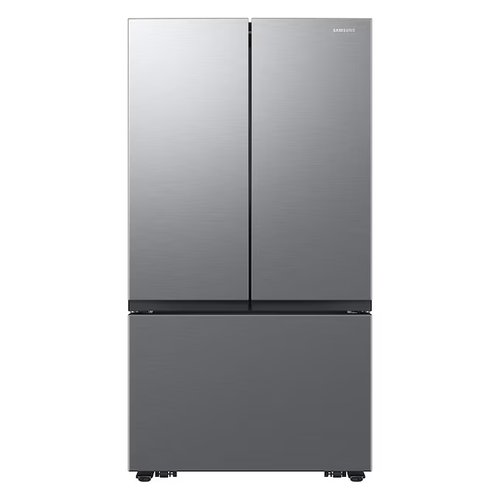
Samsung RF32CG5300SR French-door refrigerator, the illustrative supportable comparable
Original-item research
Actually Comparable These details can materially affect value.
  • Beverage / water system
  • Ice configuration
  • Door configuration
  • FlexZone / convertible storage
  • Premium model tier
  • Technology / features

Similar is a starting point, not a conclusion. Comparable-replacement research looks at the characteristics that actually affect function, quality, and price.

Three Similar Refrigerators. Three Different Prices.

A broad product search can return several refrigerators that seem close on brand, size, and style — but the most supportable comparable often sits between a lower-featured option and a premium-featured one.

Illustrative research example only, not a determination about any actual claim — assumes an original French-door refrigerator with dual ice and a beverage center, but no convertible drawer or premium 4-door design.

Retail prices referenced August 13, 2026
Lower-priced candidate $1,699.99 Samsung RF32CG5100SR/AA — Best Buy
Most Supportable Comparable — Example $1,799.99 Samsung RF32CG5300SR — Lowe's Illustrative pick
Premium candidate $2,299.99 Samsung Bespoke RF29BB8600QL — Lowe's

The supportable comparable is not automatically the cheapest or the most expensive option — it's the one the evidence best supports.

Lower-priced candidate

Samsung RF32CG5100SR/AA

32 cu. ft. 3-Door French Door Smart Refrigerator with Dual Auto Ice Maker. ~36-inch width, standard depth, stainless finish.

3-Door Dual Ice Smart
Best Buy · SKU 6546219 $1,699.99

Similar core size and configuration, but fewer value-driving convenience/premium features.

Most Supportable Comparable — Example

Samsung RF32CG5300SR

Mega Capacity ~32 cu. ft. Smart French Door Refrigerator with Dual Ice Maker and Beverage Center. 3-door configuration.

3-Door Dual Ice Beverage Center
Lowe's · Item #5407418 $1,799.99

Retains the relevant core characteristics while adding the feature set assumed in this scenario, without moving into the premium tier.

Higher-priced premium candidate

Samsung Bespoke RF29BB8600QL

Bespoke ~29 cu. ft. 4-Door French Door Refrigerator with Beverage Center, Dual Ice Maker, and FlexZone.

4-Door FlexZone Bespoke Tier
Lowe's · Item #5044180 $2,299.99

Still broadly similar, but premium features and model tier push the price materially higher.

Characteristic Lower-PricedLower Supportable ComparableComparable Premium
Shared across all three
Samsung brand
French-door refrigerator
~36-inch width
Standard depth
Fingerprint-resistant stainless finish
Smart functionality
High-capacity (~29–32 cu. ft.)
Dual ice maker
Meaningful differences
Beverage Center / AutoFill water
Door configuration 3-door 3-door 4-door
FlexZone convertible drawer
Bespoke / premium model tier

The goal is not to choose the cheapest or most expensive result — it's to identify the most supportable current option based on the original item's value-relevant characteristics and the evidence available.

In a real assignment, the original item's specifications — not this illustration — would determine which candidate, if any, was actually appropriate.

Retail prices are shown as a dated research snapshot for illustration only. Prices, promotions, and availability can change and should be reverified for an actual replacement comparison.

How the Research Process Works

Whether or not the original model is still sold, comparable-replacement research follows the same five-step sequence.

Identify

Original brand/model/item

Research

Age, specs, original function

Prioritize

Value-driving characteristics

Compare

Evaluate current products

Document

Retailer, price, date, assumptions

Television

Two 65-inch televisions from the same manufacturer can span multiple display technologies and product tiers — from entry-level LED panels to mid-tier QLED or QNED lines to premium OLED models, where technically applicable to that manufacturer's lineup. Screen size alone does not indicate which tier the original television belonged to; panel technology, refresh rate, processor, and smart-platform generation are typically more relevant to comparability and price.

Older AV Equipment

Discontinued receivers, speakers, and similar audio equipment often cannot be matched to an exact current model, since manufacturers frequently retire and replace entire product lines. Research for this category typically shifts to comparing power output, channel configuration, connectivity, and feature-level equivalence against currently available products, rather than searching for the identical discontinued model number. For a closer look at how this works specifically for AV receivers, see our discontinued AV receiver replacement research page.

What Happens When the Original Model Is Discontinued?

Many household items are no longer sold by the time a replacement comparison is needed. When the exact original model is unavailable, research moves from exact-model matching toward a structured comparison process:

  1. Document the original item's specifications and features from the available evidence.
  2. Identify which of those specifications are value-relevant for that item category.
  3. Evaluate currently available candidates against those value-relevant specifications.
  4. Document meaningful matches and differences between the original item and each candidate.
  5. Identify a supportable current comparable based on the documented evidence.

How to Document a Comparable Replacement

A documented comparison is more useful than an unexplained price. Useful documentation for a comparable-replacement research file typically includes:

  • Original brand, model, and identifying details
  • Age or production evidence where relevant
  • Value-relevant specifications
  • Candidate replacement identified
  • Similarities to the original item
  • Meaningful differences from the original item
  • Retailer or source of the replacement price
  • Price and date observed
  • Assumptions used in the comparison
  • Limitations of the available evidence

Where Item Assist Fits

Item Assist provides product identification, specification comparison, current replacement research, and pricing documentation for household contents. Research is human-reviewed, sourced from current retail listings, and delivered with the assumptions and confidence notes behind each selected comparison.

Item Consultation For one focused item or replacement question. Starting at $25 Book Consultation
Contents Research For broader or multi-item assignments requiring organized documentation. Starting at $75 Request Research

Item Assist provides research support. It does not determine coverage, interpret policy language, determine depreciation, determine ACV, negotiate settlements, decide what a carrier must pay, or replace adjuster or client judgment.

Frequently Asked Questions

Does like kind and quality mean the same brand?

Brand can be part of the comparison, but comparability depends on the value-relevant characteristics of the specific item — size, capacity, features, performance, and model tier — not brand alone. Two products from different brands can be more comparable than two products from the same brand.

Does researching a comparable replacement require finding the exact same model?

Not always. Many original models are discontinued or no longer sold. In those cases, product research can compare the original item's relevant specifications and features with currently available products to identify a supportable modern comparable.

What if the original item is discontinued?

Research shifts from finding the exact model to documenting the original item's specifications and comparing those value-relevant characteristics against current products. See "What Happens When the Original Model Is Discontinued?" above for the typical research sequence.

Does screen size or appliance capacity alone make something comparable?

No. Size and capacity are usually a starting point, not a conclusion. Two products with matching dimensions or capacity can still differ materially in features, performance, or model tier — the refrigerator example above illustrates this.

How do you compare older technology with modern products?

Older or discontinued technology is typically compared using feature-level and performance-level equivalence — for example, comparing power output, connectivity, or generation-relevant capabilities — rather than searching for an identical current model number.

What should be documented when selecting a comparable replacement?

A useful research file documents the original item's details, value-relevant specifications, the candidate replacement, similarities and differences, the retail source and price date, and any assumptions or limitations involved. See "How to Document a Comparable Replacement" above.

Have a Household Item That Needs a Supportable Comparison?

Item Assist researches the original item's specifications and identifies a documented, supportable current replacement — with the reasoning shown.